





How UPS Systems Safeguard Critical Equipment from Power Surges
 Feb 12, 2025|
 Uninterruptible Power Supply (UPS) systems are essential devices that provide backup power to critical equipment during power interruptions. However, their role goes beyond just providing power during outages; they also protect sensitive equipment from power surges. Power surges can damage electronic devices and cause data loss, making surge protection a vital feature of any UPS system. This article explores how UPS systems safeguard critical equipment from power surges, the different types of surge protection available, and why choosing the right UPS is crucial.
What Is a Power Surge?
A power surge, also known as a voltage spike, occurs when the voltage level in an electrical circuit suddenly increases beyond its normal level. These surges can be caused by various factors, such as lightning strikes, electrical grid switching, or faulty electrical equipment. A surge typically lasts only a fraction of a second, but the impact on sensitive devices can be severe.
The surge can cause immediate damage to electrical components by overheating, burning out circuits, or causing permanent failure. It can also reduce the lifespan of electronic equipment and potentially lead to data corruption or loss in devices like computers, servers, and storage systems. Given the potential consequences, preventing such damage is one of the primary reasons for using UPS systems in environments where equipment uptime and data integrity are critical.
How Do UPS Systems Protect Against Power Surges?
UPS systems are designed to provide continuous, stable power to connected devices during both power outages and voltage fluctuations. They are equipped with surge protection features that help mitigate the damaging effects of power surges.
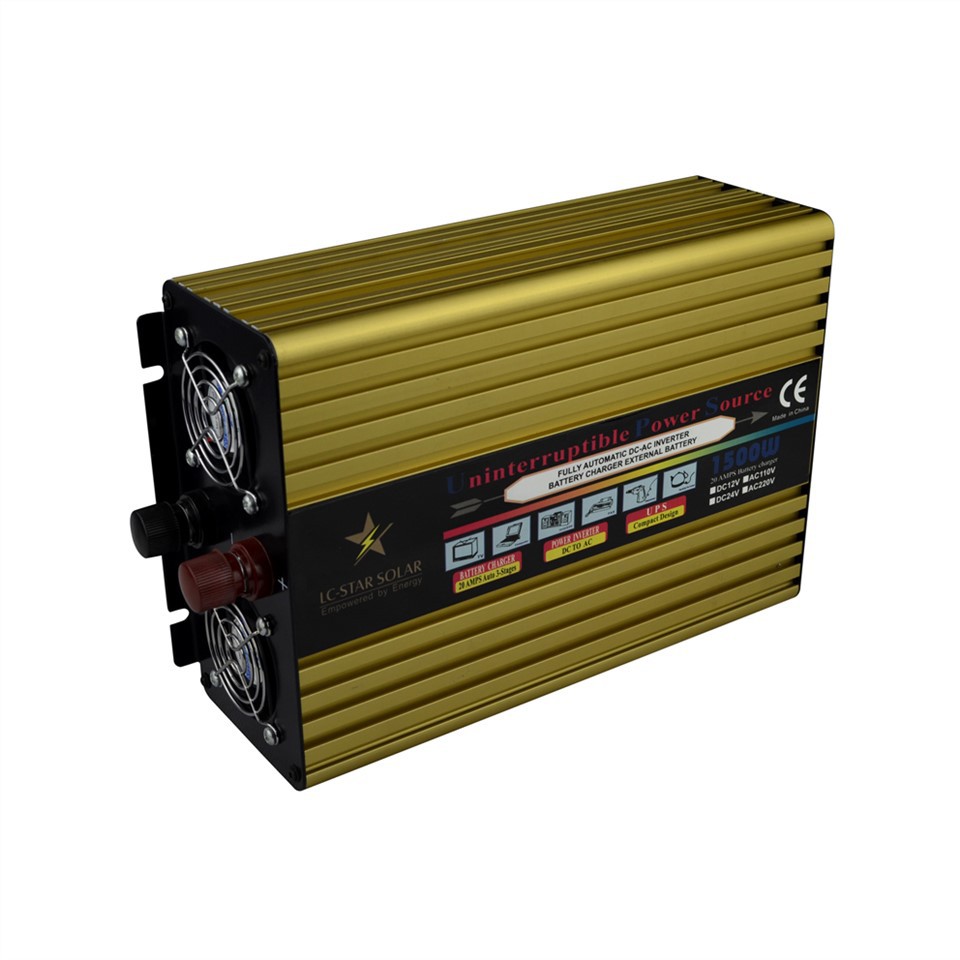
Power Conditioning and Regulation
UPS systems condition incoming power by filtering out noise and smoothing fluctuations. This is particularly important for environments where power supply quality can be inconsistent. In addition to providing backup power during outages, UPS systems constantly regulate voltage levels, ensuring that any sudden spikes or dips are managed before reaching the connected devices.
Surge Protection Mechanism
Many modern UPS systems come with built-in surge protectors, which act as the first line of defense against voltage spikes. These surge protectors are designed to absorb excess voltage and dissipate it safely. When a surge is detected, the UPS quickly diverts the extra voltage away from the connected equipment, protecting circuits from damage.
The surge protector works by using components like Metal Oxide Varistors (MOVs), which change their resistance in response to excessive voltage. When the voltage rises above a certain threshold, the MOVs divert the excess energy to the ground, preventing it from reaching sensitive devices.
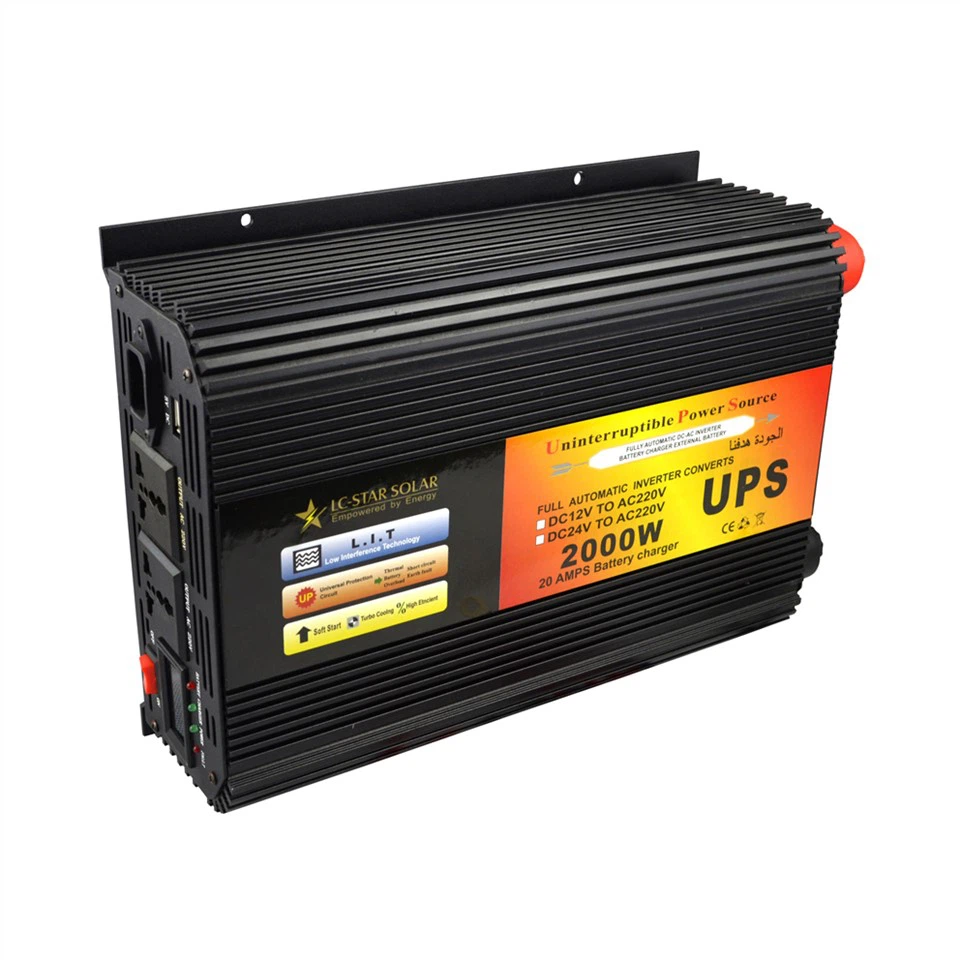
Battery Backup and Inverter Technology
During a surge, the UPS system can switch to its internal battery power almost instantly, ensuring that the equipment remains powered while the surge is diverted. This dual-action mechanism-voltage regulation combined with the quick transition to battery power-ensures that equipment remains safe from voltage spikes and stable under normal operating conditions.
Response Time and DetectionThe effectiveness of a UPS system in protecting against power surges depends on its response time. High-quality UPS systems can detect sudden voltage spikes in a fraction of a second and engage the surge protection mechanism before any damage occurs. The faster the UPS reacts, the better the protection.
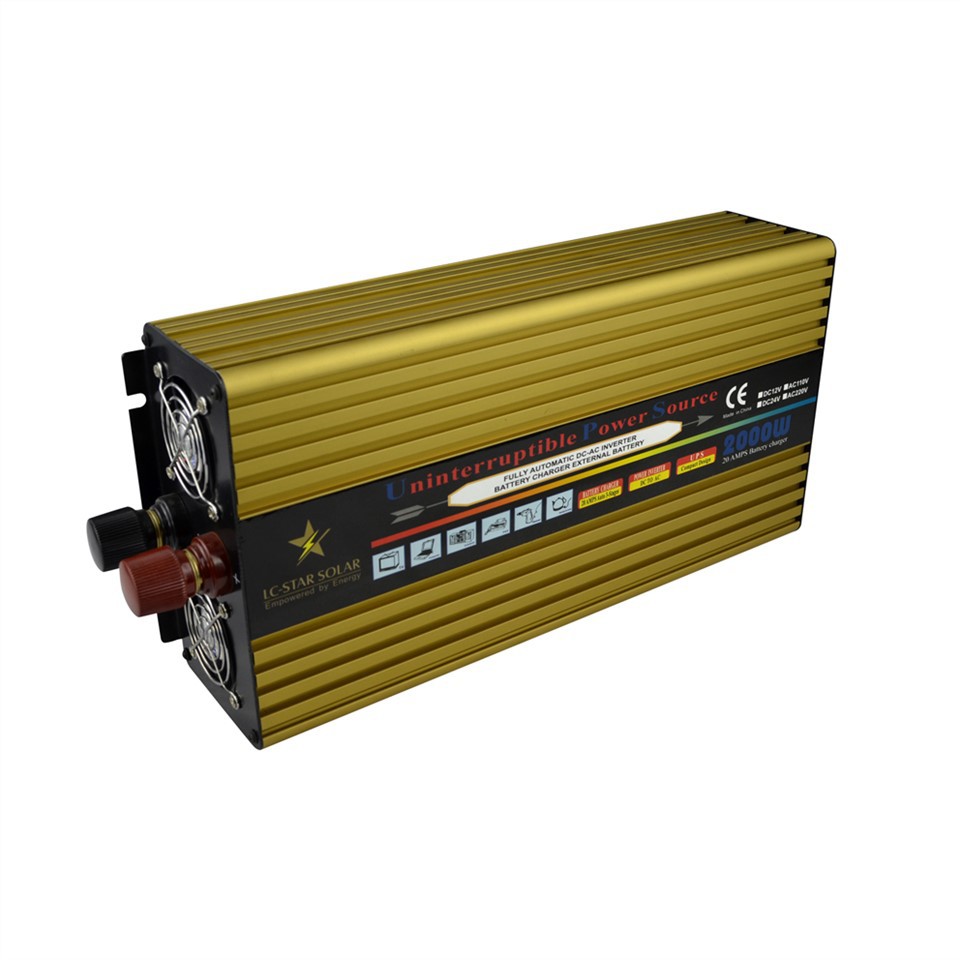
Surge Absorption and Clamping
Surge absorption is another critical function of UPS systems. By absorbing and clamping the voltage to a safe level, the UPS prevents the equipment from experiencing potentially damaging spikes. This protection is particularly valuable in areas with frequent lightning strikes or unstable power grids.
What Types of UPS Systems Offer Surge Protection?
Different types of UPS systems offer varying levels of surge protection. The primary types of UPS systems are:
Offline (Standby) UPS
This type of UPS offers basic surge protection and battery backup. While it provides some protection against power surges, it may not be as effective in high-surge situations. It is ideal for home offices or smaller setups that do not require continuous power conditioning.
Line-Interactive UPS
Line-interactive UPS systems provide a higher level of surge protection than standby models. They regulate voltage through automatic voltage regulation (AVR), adjusting for fluctuations in voltage. These systems are commonly used in environments where power quality is poor but constant uptime is not critical.
Online UPS
Online UPS systems are the most advanced and offer the best protection against power surges. They provide continuous power conditioning and convert incoming power to DC before inverting it back to AC. This process ensures that the equipment receives consistent, clean power, regardless of fluctuations or surges. Online UPS systems are ideal for data centers, hospitals, and other critical environments where any power disturbance could lead to significant damage or downtime.
Why Is It Important to Choose the Right UPS for Surge Protection?
When selecting a UPS system to protect against power surges, it's essential to consider several factors:
Capacity
The UPS must have sufficient capacity to handle the connected load. Overloading the UPS can cause it to fail to protect the equipment effectively during a surge. Ensure the UPS is rated for at least 20-30% more capacity than the total power requirement of your devices.
Response Time
A quick response time is crucial for preventing damage during a power surge. Look for a UPS system with a response time of less than 5 milliseconds for optimal protection.
Surge Protection Rating
Check the UPS's surge protection rating, often indicated in joules. The higher the joules rating, the more energy the UPS can absorb before it becomes ineffective. A higher rating ensures better protection against large surges.
Power Quality
Choose a UPS system that offers good power conditioning features, such as AVR and filtering, in addition to surge protection. This will help protect your equipment from both surges and other power quality issues, such as sags, spikes, and noise.
UPS systems are indispensable in protecting critical equipment from power surges. By providing power conditioning, surge absorption, and quick response times, UPS systems ensure that sensitive devices remain safe during electrical disturbances. When choosing a UPS system, it's essential to consider factors such as capacity, response time, surge protection rating, and power quality features. With the right UPS, businesses and individuals can protect their equipment from the potentially damaging effects of power surges and ensure continuous operation without interruption.
Sources:
"Surge Protection and UPS Systems," Electrical Safety Foundation International
"How UPS Systems Work and Protect Equipment," Schneider Electric